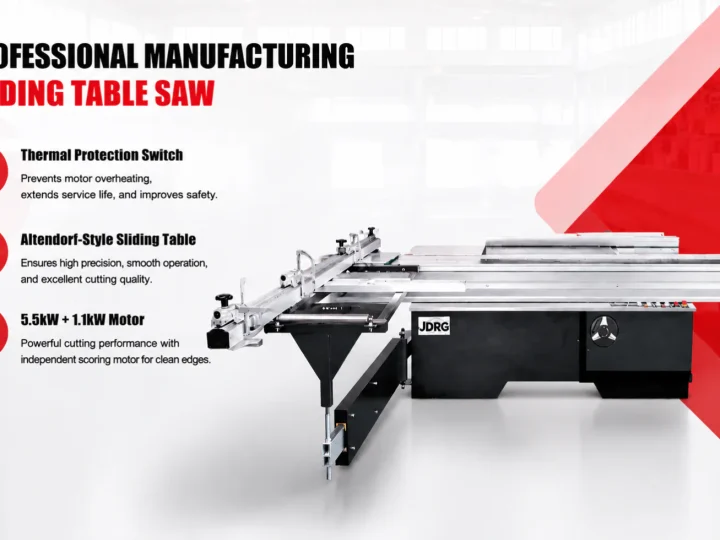
Precision Sliding Table Saw
A sliding table saw for straight panel sizing and repeatable workshop cutting workflows.
View equipment
Equipment category
Precision saws for straight panel sizing and workshop cutting workflows. Motor and table configurations vary by model.
Request a recommendation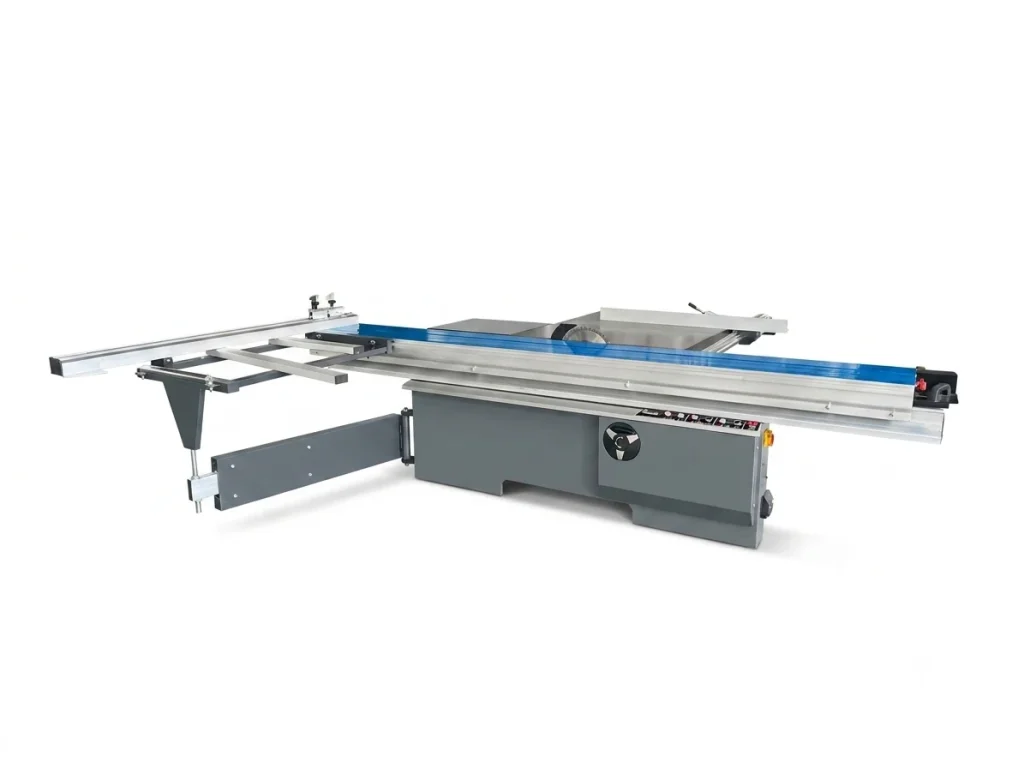
Selection guide
A sliding table saw is selected around workpiece size, cut quality, angle requirements and the way material is handled. For coated panels, the scoring arrangement and blade selection are as important as the main motor rating.
Tell JDRG the largest panel, typical material, maximum cut thickness, required tilt or angle range and expected daily workload. Workshop space, dust extraction and electrical supply should be included in the same request.
Available equipment
Browse one clear page for each model or product group. Additional configurations remain available; contact us if you do not see the exact process you need.
A sliding table saw for straight panel sizing and repeatable workshop cutting workflows.
View equipment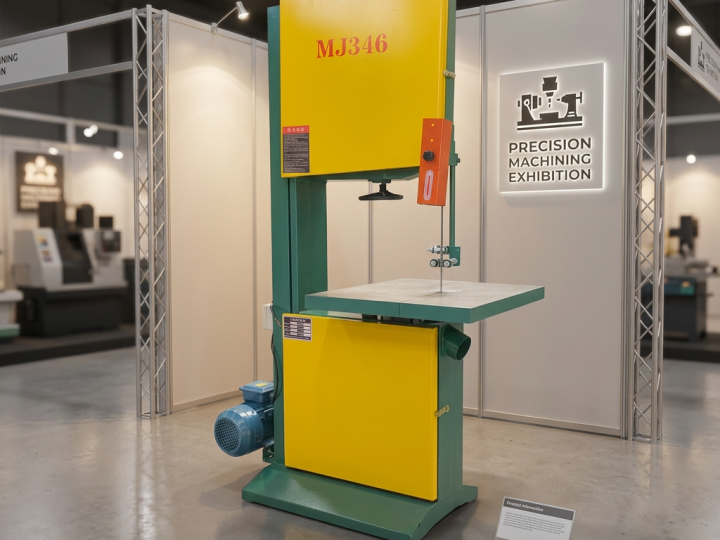
MJ346
Company Profile JDRG WOODWORKING MACHINE LIMITED specializes in panel furniture woodworking machinery, including CNC routers, sliding table saws, automatic edge banding machines…
View equipment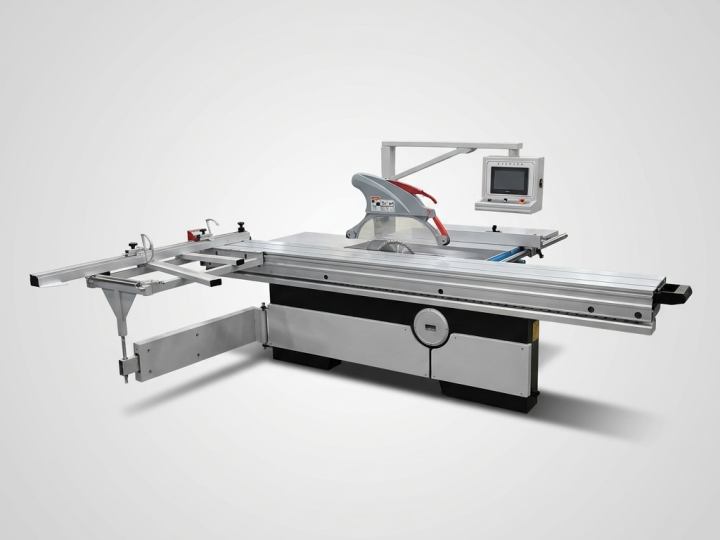
CNC MJ6132
JDRG CNC MJ6132 Automatic Two Blades Heavy Duty Durable Professional Wood Panel Cutting CNC Sliding Table Saw Made in China from JDRG…
View equipment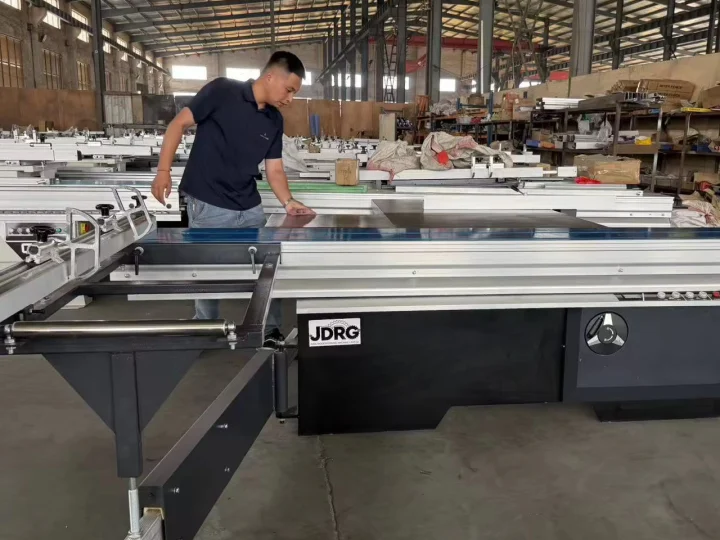
MJ6132
PRODUCT HIGHLIGHTSHigh Precision Cutting: Ensures smooth and precise cuts for custom wood jobs.Easy Operation: Simple controls for efficient use by beginners and…
View equipment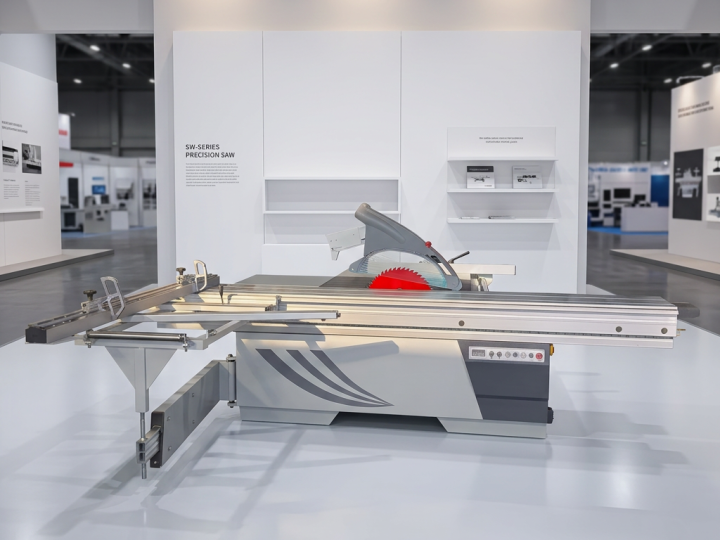
MJ6132-A
Products Description Sliding table size375*3200mmMain saw blade diameter300mmScoring saw blade diameter120mmVoltage380V 3PhsCutting angle90-45°90° cutting height105mm45°cutting height75mmMotor power5.5+1.1kwweight700KG Details Images Thermal protection switchPrevents…
View equipment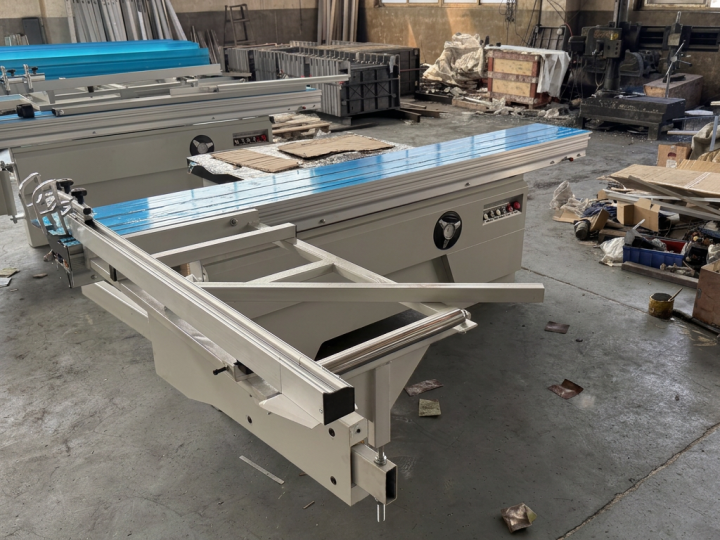
MJ6132-B
Products Description Sliding table size388*3200mmMain saw blade diameter300mmScoring saw blade diameter120mmVoltage380V 3PhsCutting angle90-45°90° cutting height105mm45°cutting height75mmMotor power5.5+1.1kwweight700KG Details Images Thermal protection switchPrevents…
View equipment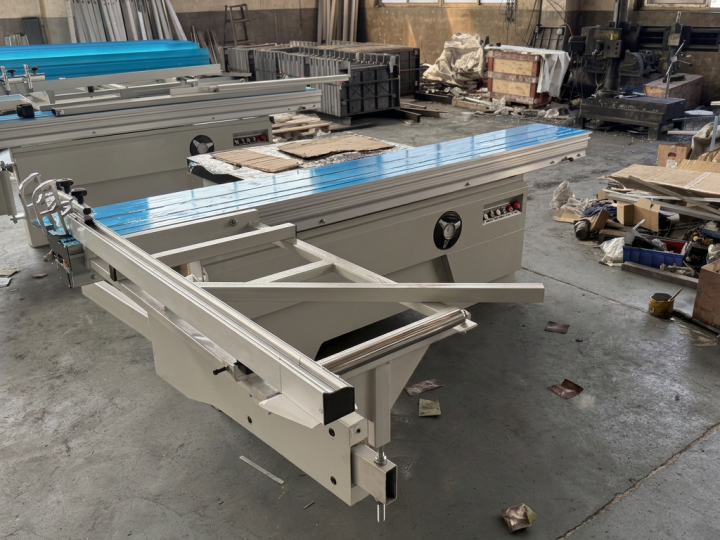
MJ6132-C
Products Description Sliding table size375*3200mmMain saw blade diameter300mmScoring saw blade diameter120mmVoltage380V 3PhsCutting angle90-45°90° cutting height105mm45°cutting height75mmMotor power5.5+1.1kwweight700KG Details Images Thermal protection switchPrevents…
View equipment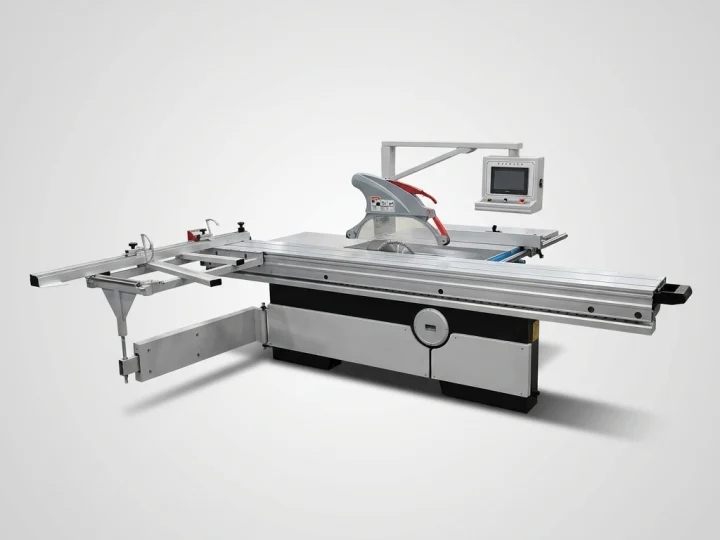
MJ6132-N
Hot Sale Professional 3400mm Sliding Table Panel Saw Motor Pump Adjustable Support Frame Factory Direct Sale Big Discount Offer from JDRG Woodworking…
View equipment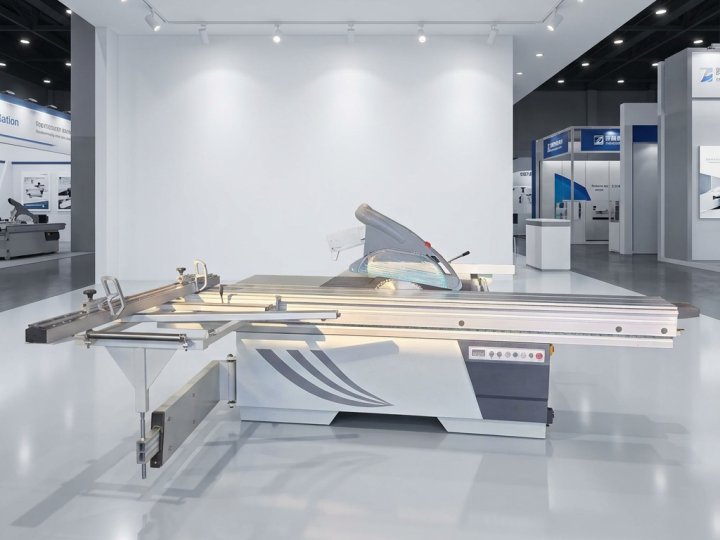
MJ6132D
Products Description Sliding table size375*3200mmMain saw blade diameter300mmScoring saw blade diameter120mmVoltage380V 3PhsCutting angle90-45°90° cutting height105mm45°cutting height75mmMotor power5.5+1.1kwweight700KG Details Images Thermal protection switchPrevents…
View equipment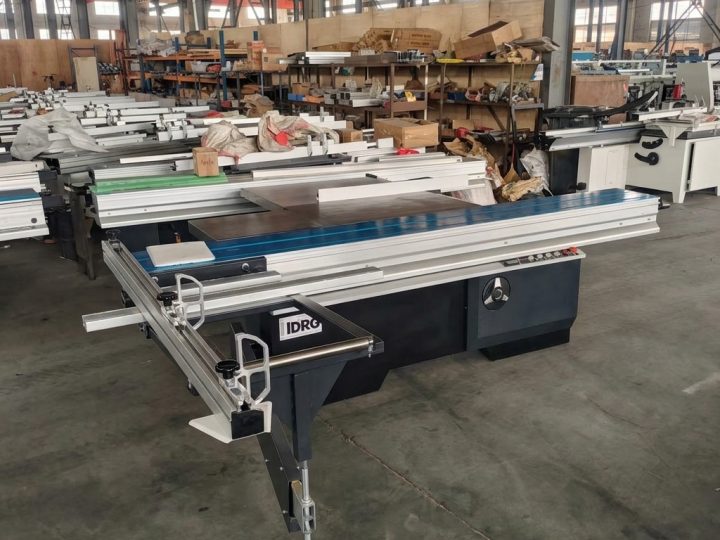
RG45
Products Description Sliding table size375*3200mmMain saw blade diameter300mmScoring saw blade diameter120mmVoltage380V 3PhsCutting angle90-45°90° cutting height105mm45°cutting height75mmMotor power4+0.75kwweight700KG Details Images Thermal protection switchPrevents…
View equipmentBuying questions
These answers help prepare a useful configuration request. Final technical data is confirmed for the selected machine.
A scoring blade is commonly considered when cutting coated or laminated panels where reducing underside chipping is important.
Send maximum and typical panel dimensions, material type, thickness range, required angle cuts, output target and any cut-quality concerns.
Allow for the machine footprint plus infeed, outfeed, panel rotation, operator access, dust ducting and electrical service.
Discuss this category
Tell us your material, dimensions, target output, electrical standard and destination.

Scan with your phone to start a WhatsApp conversation.
Send us your panel material, dimensions, process, capacity target and destination.
Open WhatsAppOr choose a contact number: