Equipment category

Dust Collectors

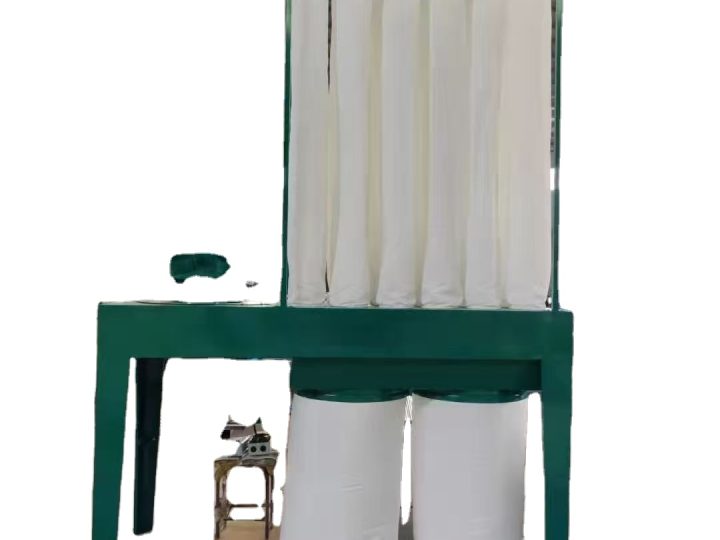
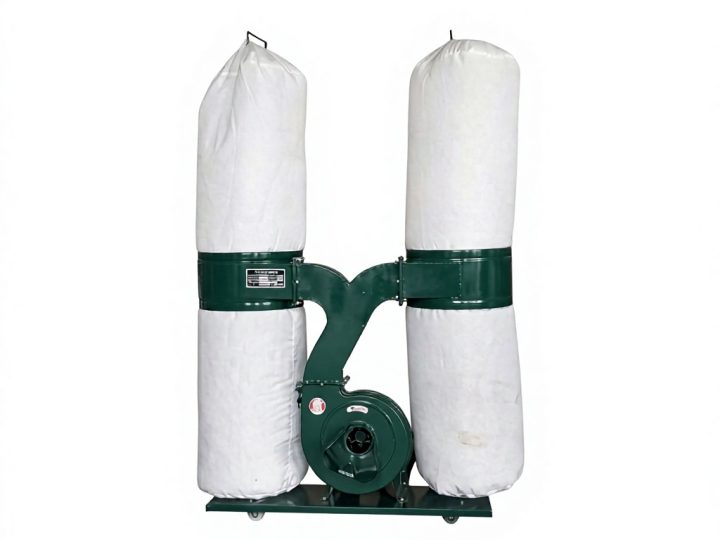
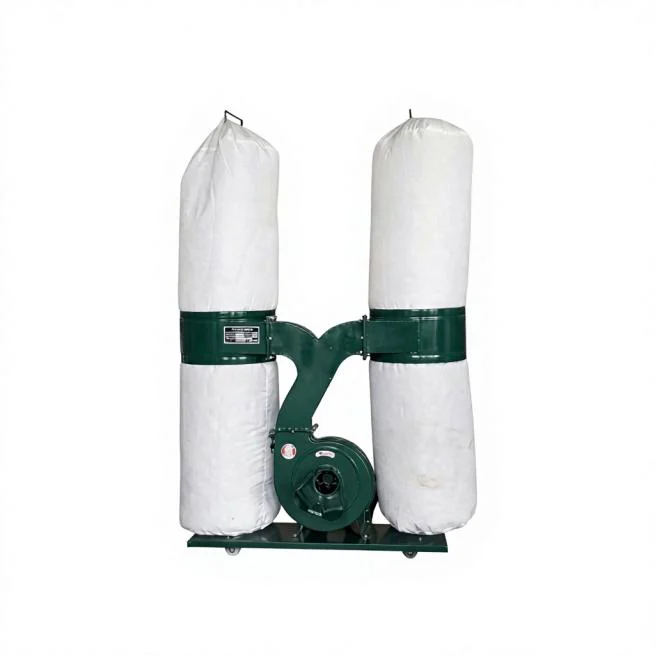
Dust collection equipment for connecting woodworking machines and supporting cleaner production areas.

Request a recommendation
Dust Collectors

Selection guide

How to choose a woodworking dust collector

Dust collection should be designed as a system: machines, branch ducts, main duct, filters, fan and discharge arrangement all interact. Choosing only by motor power or an isolated airflow figure can lead to poor capture at the machines.

List each connected machine, dust-port size and whether machines run simultaneously. A duct layout, estimated run lengths, dust type, discharge method and local safety or environmental requirements are needed before final sizing.

Key factors to compare

Factor
What to confirm
Why it matters
Connected machines
Port sizes, required capture and simultaneous operation
Establishes the real system demand.
Airflow and pressure
Required flow at each pickup and total duct resistance
Both are needed to select a fan and duct network.
Dust characteristics
Particle size, moisture, abrasiveness and combustible-dust considerations
Affects filtration, discharge and safety design.
Filter and cleaning
Filter media, cleaning method and maintenance access
Influences pressure loss and long-term performance.
Discharge and location
Bag, bin or conveyor discharge; indoor or outdoor installation
Changes layout, servicing and compliance needs.

Available equipment

Primary model pages

Browse one clear page for each model or product group. Additional configurations remain available; contact us if you do not see the exact process you need.

Buying questions

Dust Collectors FAQ

These answers help prepare a useful configuration request. Final technical data is confirmed for the selected machine.

Provide connected machines, port diameters, simultaneous-use plan, duct lengths and bends, dust type, discharge method and installation location.

No. The collector and fan must deliver the required airflow against the resistance of ducting, filters and fittings.

A qualified local engineer should evaluate applicable fire, explosion, electrical and environmental requirements for the installation.

Discuss this category

Get a configuration matched to your production

Tell us your material, dimensions, target output, electrical standard and destination.